


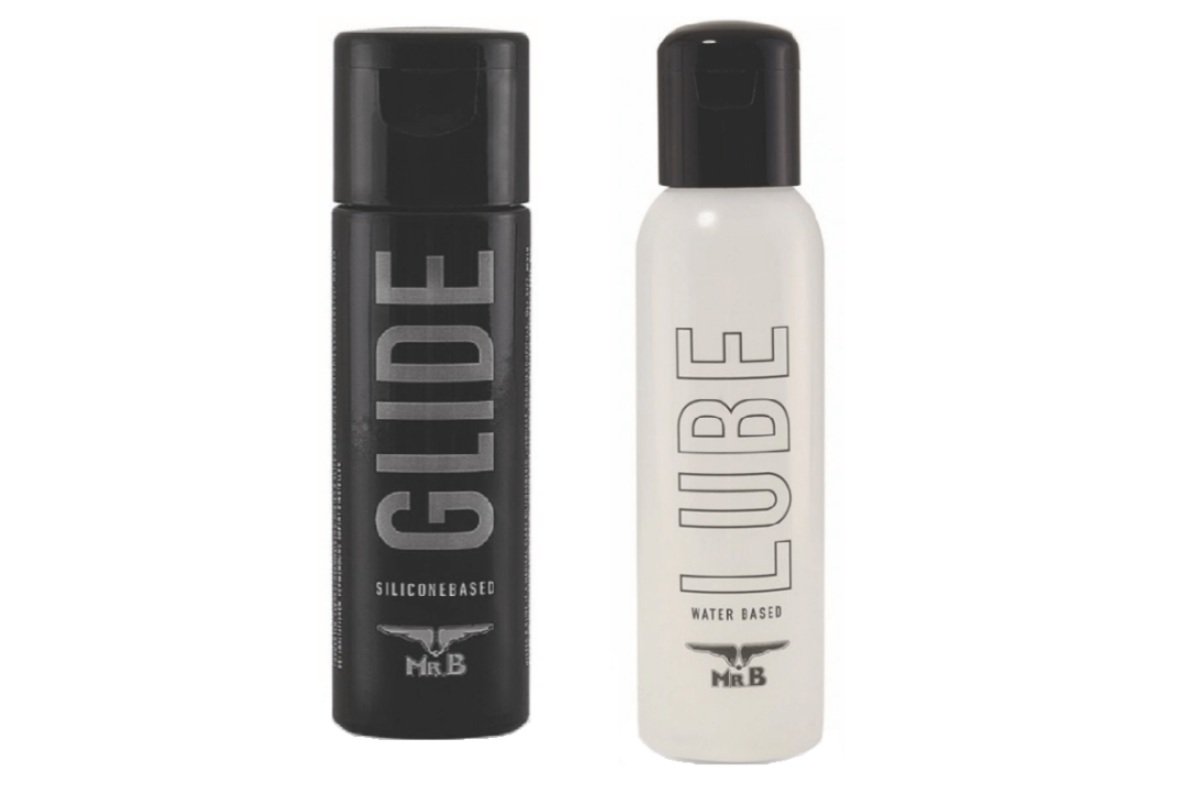
How to Use Silicone vs. Water-Based Lubricants – Which to Choose for What?
Lubricants are an essential part of a healthy, comfortable, and enjoyable intimate life. But which one should you choose – silicone or water-based? What are the differences between them and when is it worth reaching for a specific type? Choosing the right lubricant affects comfort, safety, and the quality of sensations – not only during sex but also when using sex toys or during medical examinations.
Water-Based Lubricant – How It Works and When to Use It
Water-based lubricant is the most popular and universal type of lube. Its base is water, with added gelling agents (e.g. hydroxyethylcellulose), moisturizers (e.g. glycerin, hyaluronic acid), and preservatives.
Advantages of water-based lubricants:
- Compatible with condoms – both latex and polyisoprene.
- Safe for silicone sex toys – does not damage their surface.
- Easy to wash off with water – leaves no greasy residue.
- Suitable for internal use (vagina, anus) – gentle on mucous membranes.
Disadvantages of water-based lubricants:
- Dry out quickly – may require reapplication or wetting with water.
- Not ideal in the shower or bath – easily washed away by water.
- Some contain glycerin and preservatives – may irritate sensitive skin or promote yeast infections.
Silicone-Based Lubricant – How It Works and When to Use It
Silicone-based lubricant is made from siloxanes (usually dimethicone) – hydrophobic substances that create a long-lasting, slick layer on the skin.
Advantages of silicone-based lubricants:
- Long-lasting effect – no need for frequent reapplication, doesn’t dry out.
- Ideal for anal sex – provides an exceptionally smooth glide and durability.
- Water-resistant – perfect for the shower, bath, or pool.
- Economical – a small amount covers a large area.
Disadvantages of silicone-based lubricants:
- Not suitable for use with silicone toys – may damage the surface (chemical reaction).
- Harder to wash off – requires soap, won’t rinse off with just water.
- May leave stains on bedding or clothes – especially in oilier versions.
Comparison Table: Silicone vs. Water-Based Lubricant
| Feature | Water-Based Lubricant | Silicone-Based Lubricant |
| Longevity | Short (needs reapplication) | Very long (up to 1h+) |
| Washability | Easily washed off with water | Harder – requires soap |
| Use with toys | Yes (including silicone toys) | No with silicone toys |
| Use with condoms | Yes (latex and others) | Yes (but be cautious with ultra-thin) |
| Anal use | Possible but may dry quickly | Recommended – very slick and durable |
| Use in shower | Not practical | Ideal |
| Skin irritation | Possible with preservatives | Rare, usually hypoallergenic |
How to Use Water-Based Lubricant
- Apply to the contact area – around the vagina, anus, penis, or toy.
- Add more as needed – don’t hesitate to reapply during use.
- Re-activate glide with water – water brings the lube back to life.
- Wash off with warm water after use – leaves no residue, easy to clean.
Uses:
- Vaginal and oral sex
- Masturbation
- Use with sex toys (vibrators, dildos, plugs)
- Gynecological and urological exams
How to Use Silicone-Based Lubricant
- Apply only a small amount – it’s very concentrated, a few drops are enough.
- Spread in a thin layer – works instantly, no waiting required.
- Avoid contact with silicone toys – may damage or dull them.
- Wash thoroughly with soap after use – water alone won’t remove it.
Uses:
- Anal sex
- Sex in the shower or bath
- Erotic massages
- Longer sessions (over 30 minutes)
Which Lubricant to Choose – Water or Silicone?
Your choice depends mainly on the purpose and your personal preferences. Here are some practical tips:
Choose water-based lubricant if you:
- use silicone toys,
- want to wash off the product quickly after sex,
- have sensitive skin and need a fragrance-free product,
- engage in vaginal or oral sex.
Choose silicone-based lubricant if you:
- plan anal sex or sex in the shower,
- want the glide to be long-lasting and intense,
- prefer using minimal product,
- don’t use silicone toys.
The Most Common Mistakes When Using Lubricants
- Using silicone lube with silicone toys – causes surface damage.
- Using too much product – can lead to loss of control over glide.
- Using lube as a contraceptive – most do not prevent pregnancy.
- Not reading the ingredients carefully – some lubricants contain allergens.
- Skipping a patch test – test the product on a small area before full use.
Can You Mix Lubricants?
In theory – yes, but only in specific ways. Most commonly, users mix:
- Water-based with silicone gel – for longer glide,
- Water-based with hyaluronic – for extra hydration,
- Silicone-based with oil – for massage (not with condoms!).
Never mix different lubricants if you don’t know their full composition – unexpected reactions or allergies may occur.
What to Choose: Water-Based or Silicone Lubricant?
There’s no single “better” lubricant – both have their advantages and applications. Water-based lubricants are more universal and safe for most toys and users, while silicone-based guarantees exceptional glide and works in situations where others fail.
It’s worth trying both and deciding which suits your needs best – or using them alternately depending on the situation.
 Log in with Facebook
 Log in with Google